Easter Math Activities: Creative Design for Learning
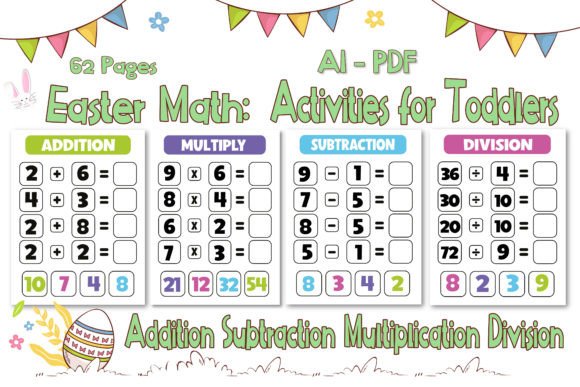
Transforming a simple classroom exercise into a memorable brand experience is where strategic graphic design meets educational content. The Easter Math Fun and Educational Activity pack exemplifies this intersection, offering a 62-page, editable resource that blends thematic visual design with core mathematical concepts. For designers and educators alike, this kind of asset demonstrates how thoughtful visual hierarchy and a cohesive color palette can turn learning objectives into engaging, professional-grade materials.
The Role of Thematic Design in Educational Content
Effective educational resources do more than present information; they create an environment that facilitates focus and enjoyment. A well-executed Easter Math: Fun and Educational Activities for Addition, Subtraction, Multiplication, and Division package uses consistent branding elements—such as spring-inspired motifs, playful yet clear typography, and a harmonious color scheme—to reduce cognitive load. This allows the core mathematical exercises to stand out. From a design workflow perspective, having an editable AI file ensures that these visual elements can be seamlessly adapted to specific branding guidelines or classroom themes, maintaining brand identity across all materials.
Practical Applications Across Creative Projects
The versatility of a structured, holiday-themed design asset extends far beyond a single worksheet. Its principles and components can be applied to numerous projects to enhance visual communication and user engagement.
- Marketing and Social Media Graphics: The festive icons and layouts can be deconstructed for use in social media posts promoting educational events, creating a recognizable and cheerful brand presence online.
- Packaging and Merchandise: For businesses creating educational kits or children's products, the design elements can inspire packaging design that is both visually appealing and informative, improving shelf appeal.
- Website and UI Design: The clean visual hierarchy and thematic icons can inform the design of user interfaces for educational apps or websites, creating an intuitive and seasonally engaging user experience.
- Editorial and Presentation Design: The layout principles can be applied to editorial spreads or presentation decks for school projects, ensuring a professional presentation that holds the audience's attention.
Evaluating and Implementing Design Assets
When selecting creative assets like this Easter-themed pack, consider these factors to ensure quality and usability:
- Scalability and Editability: An AI file offers vector-based scalability, crucial for print design across different sizes without loss of quality. Editability is key for customizing color palettes and typography to match an existing brand system.
- Visual Consistency: Assess whether the design maintains a consistent style across all pages. This consistency is vital for building a cohesive learning experience and a strong visual identity for the materials.
- Readability and Hierarchy: The primary goal is communication. Ensure that the typography choices and layout prioritize clear readability of the mathematical problems, using visual hierarchy to guide the user's eye effectively.
Ultimately, investing in high-quality, thoughtfully designed resources like the Easter Math activity pack is an investment in effective communication. For designers, it provides a polished template to customize. For educators and parents, it delivers a tool that makes learning visually intuitive and enjoyable. In the realm of digital marketing and content creation, it underscores a universal truth: when aesthetics and function align, the result is a more engaging, professional, and successful experience for the end-user. This synergy is the cornerstone of impactful graphic design, whether the project is a logo, a website, or a simple, joyful math worksheet.